Use Case

Self-Hosted Document Portal for Partners, Clients, and Vendors

A document portal is really just a document management, sharing, and collaboration platform with external stakeholders in mind — a single, secure place where partners, clients, and vendors can find, review, and exchange documents with you.

Pydio Cells is that platform, self-hosted on your own infrastructure. Here's what that looks like in practice.

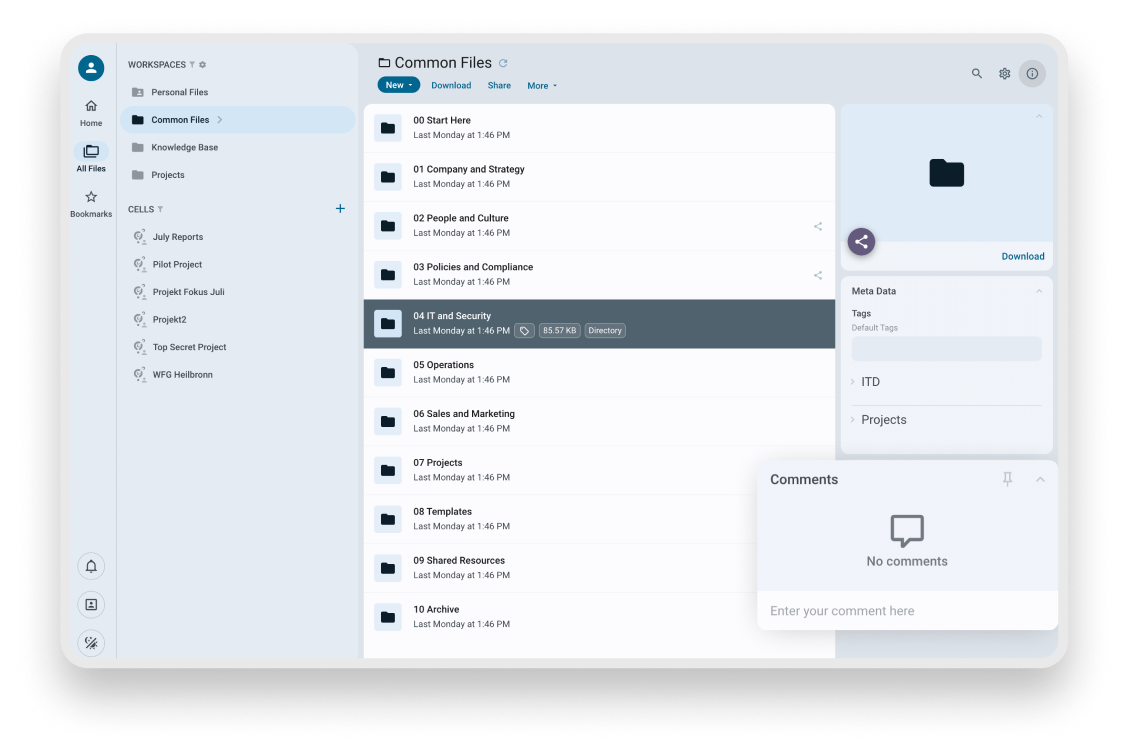
document-portal-hero
document-portal
The Problem

Your Document Portal Shouldn't Live on Someone Else's Infrastructure

Ask a partner or client how many portals they log into across their vendors, and you'll get a tired answer. Most document portals run on someone else's SaaS platform, under someone else's branding, with your documents sitting on infrastructure neither of you controls.

That's a trust problem as much as a UX one: your stakeholders are asked to hand over documents to a third party they never agreed to work with, just because it's bundled with your tool of choice.

A portal built on your own infrastructure removes that middleman entirely.

What Makes Cells a Document Portal?

Cells covers document management, sharing, and collaboration with external stakeholders in mind — self-hosted, so the portal your partners and clients use is actually yours.

Is That the Same as Document Management, Sharing and Collaboration?

The answer is, pretty much yes. Document portal is just a different, arguably newer, definitely shorter name for a document management, sharing and collaboration platform. 

Where Cells Covers the Document Portal Use Case

  • Document management that scales: Indexing, the v5 metadata engine, multiple levels of granular access control, and full SSO integration keep documents organized as your stakeholder list grows. See Metadata and Sharing Features.
  • Lifecycle and retention built in: Configure simple retention rules in minutes, or set up multi-stage, automated versioning and pruning policies for Enterprise compliance needs. See Versioning Policies.
  • Runs on your terms: Self-hosted and cloud-native, Cells lets you choose the storage backend and scale it up or down as your stakeholder base changes.
  • Available wherever stakeholders are: Partners, clients, and vendors reach the portal securely from web, desktop sync, or mobile, on any device.
  • Automated with Flows: Cells Flows, our no-code automation engine, handles repetitive document workflows and connects the portal to your other systems without scripting.
  • API-first: The Cells API lets you extend the portal or embed it into other internal systems, rather than treating it as a closed black box.
  • Real collaboration, not just file drop: Stakeholders can co-edit, comment, and track changes together, with full version history so nobody's working from a stale copy.
  • Cloud-native scale: Rebuilt clustering, stateless pods, and Kubernetes support mean the portal holds up as usage grows. See What's New in v5.
  • Secure and compliant by design: Access control, encryption in transit and at rest, audit trails, and activity logs support GDPR, NIS2, and industry-specific regulations like HIPAA.

Give Partners a Portal That's Actually Yours

Every vendor a partner works with brings its own portal, its own login, and its own idea of where their documents should live, since the documents sit on someone else's infrastructure. A self-hosted portal flips that: Cells runs on your infrastructure, under your branding, with your access rules, so working with you doesn't mean a detour through someone else's platform.

If one portal serves multiple partners or client accounts, multi-tenancy keeps each one isolated at the data, configuration, and identity layer, so no partner sees another's documents on the same deployment. It also means the audit trail, retention policy, and compliance posture are yours to set.

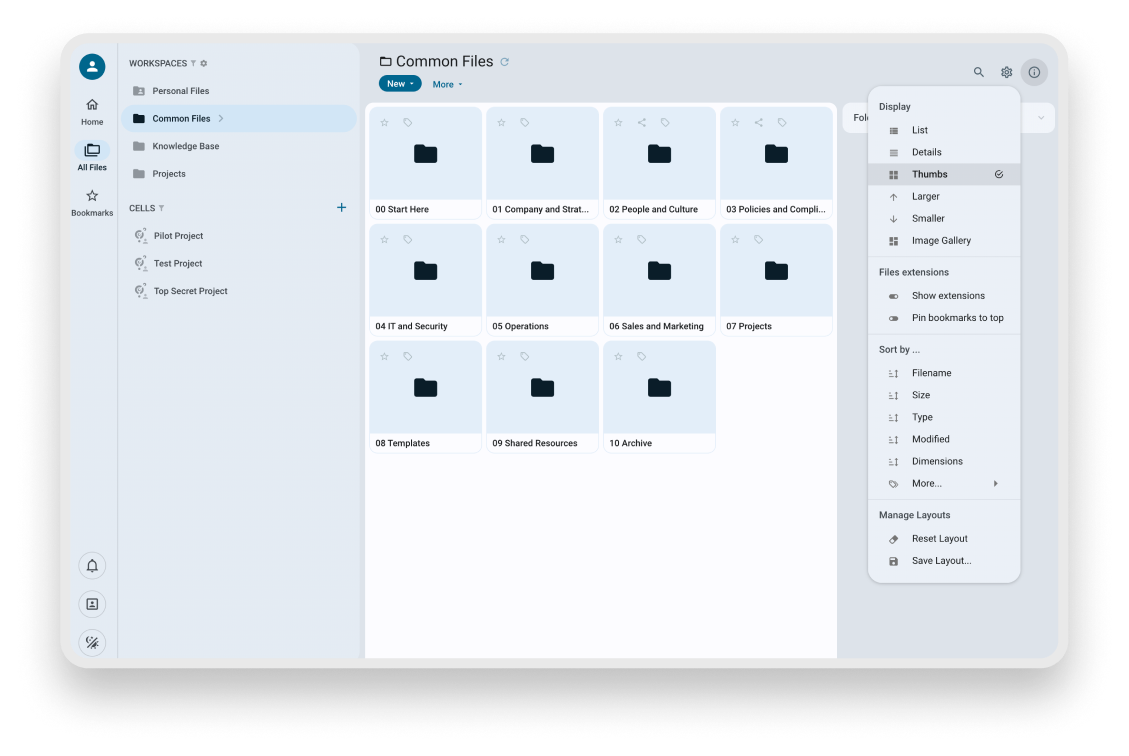
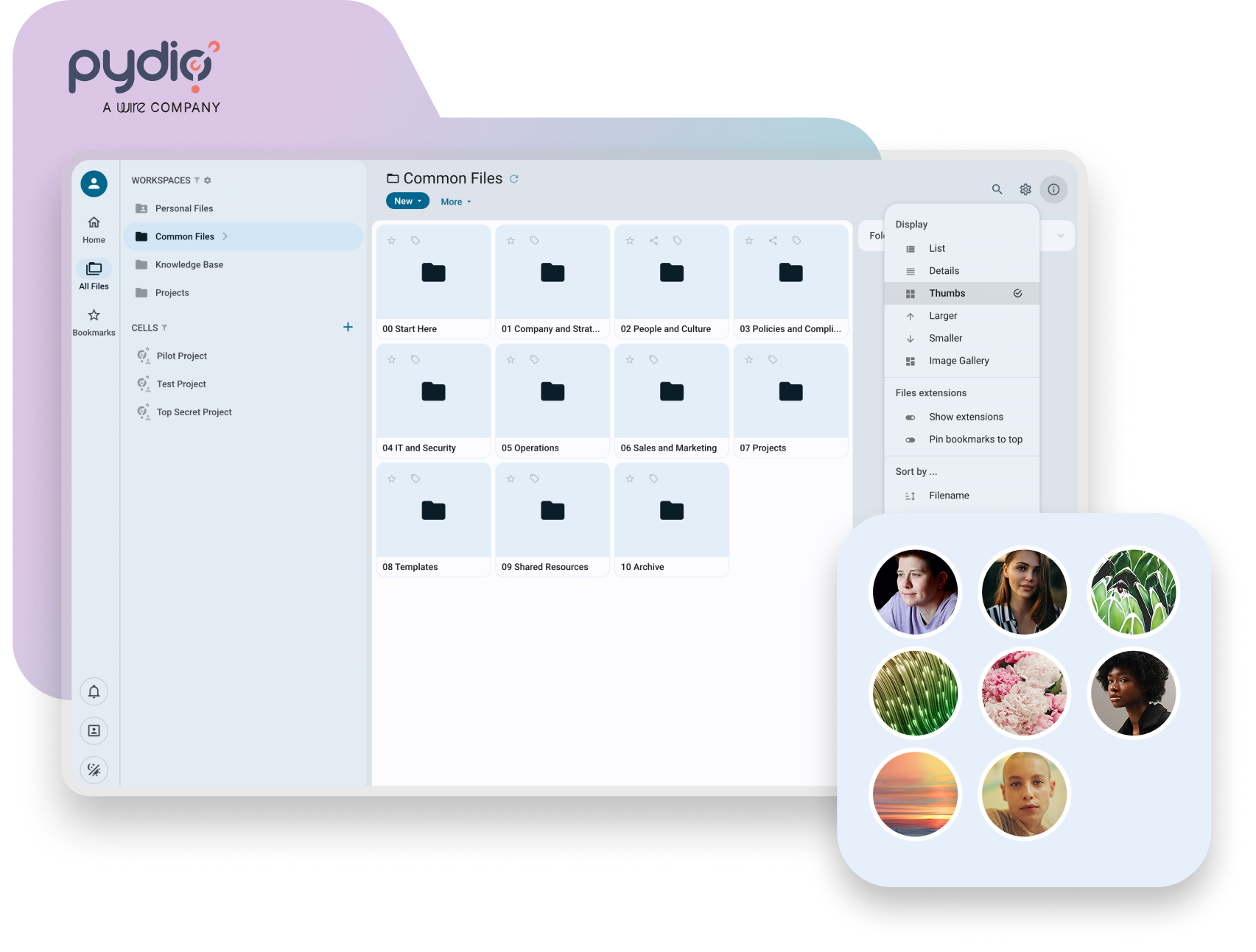
pydio-as-document-portal
pydio-view-options

What Your Partners Get With a Cells Portal

  • A branded experience that's yours, not a vendor's — no third-party logo, no third-party login
  • Full control over where documents live, who can reach them, and how long they're kept
  • Multi-tenant isolation if you're serving more than one partner or client account from the same deployment
  • Deployment on your own infrastructure, live in hours, not weeks

What's New At Pydio?

Want to stay up to date with everything Pydio? That’s easy. Just subscribe to our newsletter or follow us on LinkedIn.

Secure Data Room Software Guide for 2025
Wire Drive

Secure Data Room Software Guide for 2025

Explore the enterprise guide to secure data rooms in 2025. Learn use cases, essential features, and how Pydio Cells delivers control, compliance, and...
Get Started

Talk to a Pydio Expert

Do you need more information about the product? Looking for a specific feature or a formal quote? Leave us a message!